
Postgraduate research projects

Postgraduate rare disease research
PhD and Master's student research
Postgraduate research is at the heart of our rare disease team - we are keen to support the next generation of excellent rare disease researchers. Our students have a variety of backgrounds and diverse project outcomes, from improving rare disease diagnostics, investigating the molecular pathogenesis of disease, and identifying the support needed for patients, carers, families and the professional teams supporting them. If you are a graduate with an interest in rare disease research, why not get in touch with the team today to discuss potential post-graduate research opportunities!
Sarah Sonner: The Odyssey Project (2022-25)
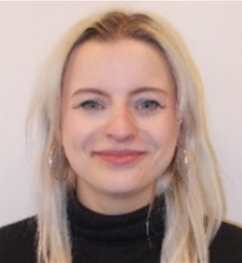
Sarah's research is looking at the utility of prenatal exome sequencing to help reduce the diagnostic odyssey which many patients with rare diseases experience. The hope is that through Next Generation Sequencing technologies we can identify pathogenic variants early, helping parents make preparations for management of their child’s care at the beginning of their life. Sarah is interested in evaluating the use of these technologies and their improved diagnostic yield over standard techniques like chromosomal microarray and karyotyping. Through this, Sarah aims to help further the development of a prenatal service in Northern Ireland, so the path to diagnosis and support is easier for families in the future.
Sarah's thesis will unpack concerns around increased yield vs. cost effectiveness, interpretational burden of staff, and family anxieties and uncertainty.
Sarah is supervised by Prof Amy Jayne McKnight and Dr Fionnuala Mone
Rasha Alhazzaa: Maximising E-Health Initiatives to Support the Diagnosis and Tracking of Rare Diseases
(2020 – 2024)
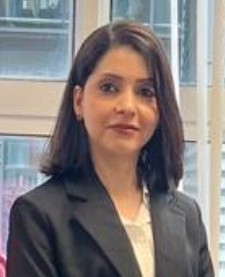 There are significant challenges faced by individuals with rare diseases in Northern Ireland, including delayed and inaccurate diagnoses, limited access to appropriate specialists, and fragmented care pathways. These challenges are made worse by the fact that each rare disease affects only a small number of people, leading to a lack of awareness among healthcare professionals and limited treatment options. To tackle these issues, the research explored the integration of genomic data with electronic health records (EHRs), developed care pathways for specific conditions, and assessed the availability of orphan drugs. Through the GenOCEANIC project, the study demonstrated the potential to improve diagnostic accuracy from 18% to 33%, underscoring the transformative impact of integrating advanced digital tools in rare disease management.
The findings highlight the critical need for improved communication mechanisms, better coordination of care, and enhanced access to specialist services and treatments. The thesis also emphasises the importance of cohesive strategies and digital solutions to improve the lives of those living with rare diseases. These recommendations aim to shape future policy and service delivery, providing a foundation for ongoing improvements in the care and management of rare diseases in Northern Ireland.
Rasha was supervised by Prof Amy Jayne McKnight & Dr. Shane McKee
For publications and presentations associated with Rasha’s PhD, please see:
https://pure.qub.ac.uk/en/persons/rasha-alhazzaa
Ashleen Crowe: Priorities for change for the Rare Disease Community (2017 - 2023)
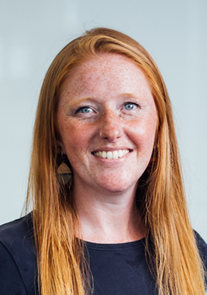
Problems encountered because of the low incidence of individual rare diseases include a lack of accurate diagnosis, lack of clarity about which specialists they should be referred to post-diagnosis, lack of coordinated approach, and medical professionals who have not heard of the disease. This makes it difficult to optimise treatment strategies that effectively manage the rare disease, or even to know which options are available. Thus improving communication mechanisms both within and around the healthcare system is of vital importance to individuals living and working with rare diseases in Northern Ireland. Through this research project priorities for change can be found. This will be accomplished through the exploration of the voices of those who have a rare disease, their families, carers, the healthcare professionals, and the advocacy groups. The results suggest strategies to improve communication and modernise services for those affected by rare disease in Northern Ireland.
Improvements are required to better support people living and working with rare diseases in Northern Ireland . The priorities for these improvements have been stated and have or will affect policy here in Northern Ireland. One example of this is that the Northern Ireland action plan has now been published and has been informed by this project resulting in priority actions of an online hub, a genomics partnership, and a rare disease registry for rare disease in Northern Ireland. Ashleen was on leave for two years during her PhD research.
Ashleen Crowe was supervised by Prof Amy Jayne McKnight, Dr Helen McAneney and Dr Gavin Duffy
For publications and presentations associated with Ashleen's PhD, please see: https://pure.qub.ac.uk/en/persons/ashleen-crowe-2
Katie Kerr: Multi-omics for rare disease diagnosis (2017 - 2020)

Advancing knowledge and technologies in the field of genomics (the whole of our genetic material) has improved our ability to predict, diagnose and treat disease. However, we now understand that genomics alone cannot predict the complexity of illnesses, and that rather than studying just this one piece, we must consider the entirety of the ‘molecular puzzle’ if we are to identify and cure disease. For patients with rare diseases which can be very difficult to diagnose and harder still to treat, this holistic approach known as ‘multi-omics’, is particularly promising. The 100,000 Genomes Project (100KGP), which sought to study the DNA of patients with rare diseases and their family members, has improved our ability to diagnose rare disease. However, multi-omics might offer further improvements to this, as identified in several literature reviews conducted in this studentship.
This PhD involved enhanced genetic analysis and the collection of samples from patients participating in the 100KGP for multi-omic anlaysis if genomics alone was not sufficient to provide a diagnosis, as well as exploring perspectives from patients, family members and carers about their awareness of this novel field of research.
Katie was supervised by Prof Amy Jayne McKnight and Dr Helen McAneney
For publications and presentations associated with Katie's PhD, please see: https://pure.qub.ac.uk/en/persons/katie-kerr-2/publications/
Ghada Abozaid : Toward Orphan Drugs (ODs) Accessibility in Saudi Arabia (SA) and Northern Ireland (NI).
(2021 - 2026)
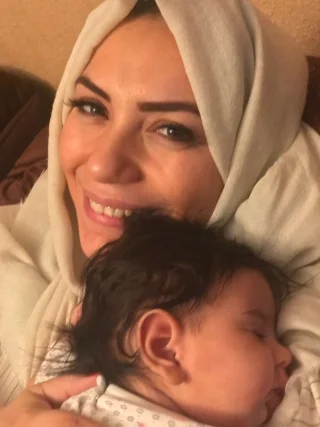 Rare disease (RD) is a life-threatening or chronically debilitating disease with low prevalence compared with common diseases. It represents 3.5–5.9% globally, which parallels 263–446 million persons. Medications used for diagnosis, treatment of RD, or prevention are known as Orphan Drugs (ODs). Many RD patients suffer from difficulties with ODs accessibility. Worldwide, less than one-tenth of patients with RD have received treatments.
My project aims to improve ODs accessibility for RD patients by identifying the challenges of the status quo and possible solutions from different stakeholders’ perspectives in Saudi Arabia (SA) and Northern Ireland (NI).
The major challenge faced by policymakers in SA is establishing the necessary framework to manage accessibility effectively. This is due to the financial sustainability of ODs within the overall pharmaceutical expenditure, as well as their impact on outcome assessment, pricing, and reimbursement. To develop a policy, the KSA must have a clear and strong foundation in relation to RD and ODs by providing a definition that represents the Kingdom's population. The use of diverse terminology and inconsistent definitions leads to confusion and inconsistencies in access to treatment. We conduct a systematic literature review (SLR) to identify the quantitative and qualitative criteria, and then explore the rationale behind these criteria. In KSA, we propose a national RD and OD definition.
Many individuals with rare diseases (RDs) face various challenges, such as a lack of knowledge, difficulties for 70% of doctors in identifying or managing RDs, delayed or misdiagnosed diagnoses, and challenges in accessing treatment due to rare conditions, all of which can significantly impact morbidity and mortality. So, to assess OD accessibility, we conducted semi-structured interviews in NI with different stakeholders and workshops in KSA with people involved in the "lifecycle" of ODs.
The current state of affairs in South Africa necessitates an evaluation, given its distinct genetic makeup and the elevated occurrence of specific genetic disorders like MPS VI, partly attributable to consanguineous unions. MPS VI is the most prevalent type (48% of the total cases), with a birth prevalence of 7.85 per 100,000 live births. The largest tertiary care government hospital in the region will conduct a mixed-methods study (data from Electronic Medical Records and semi-structured interviews with different stakeholders) to explore the clinical journey of MPS VI patients, identify challenges faced by healthcare providers, patients, and families, and assess the financial impact of treatment on the healthcare system.
Ghada was supervised by Prof Amy Jayne McKnight & Dr Lynne Lohfeld
For publications and presentations associated with Ghada’s PhD, please see:
Niamh Buckle: The Social and Economic Impact of Living with a Rare Disease for Children and their Families
(20 - 20 )
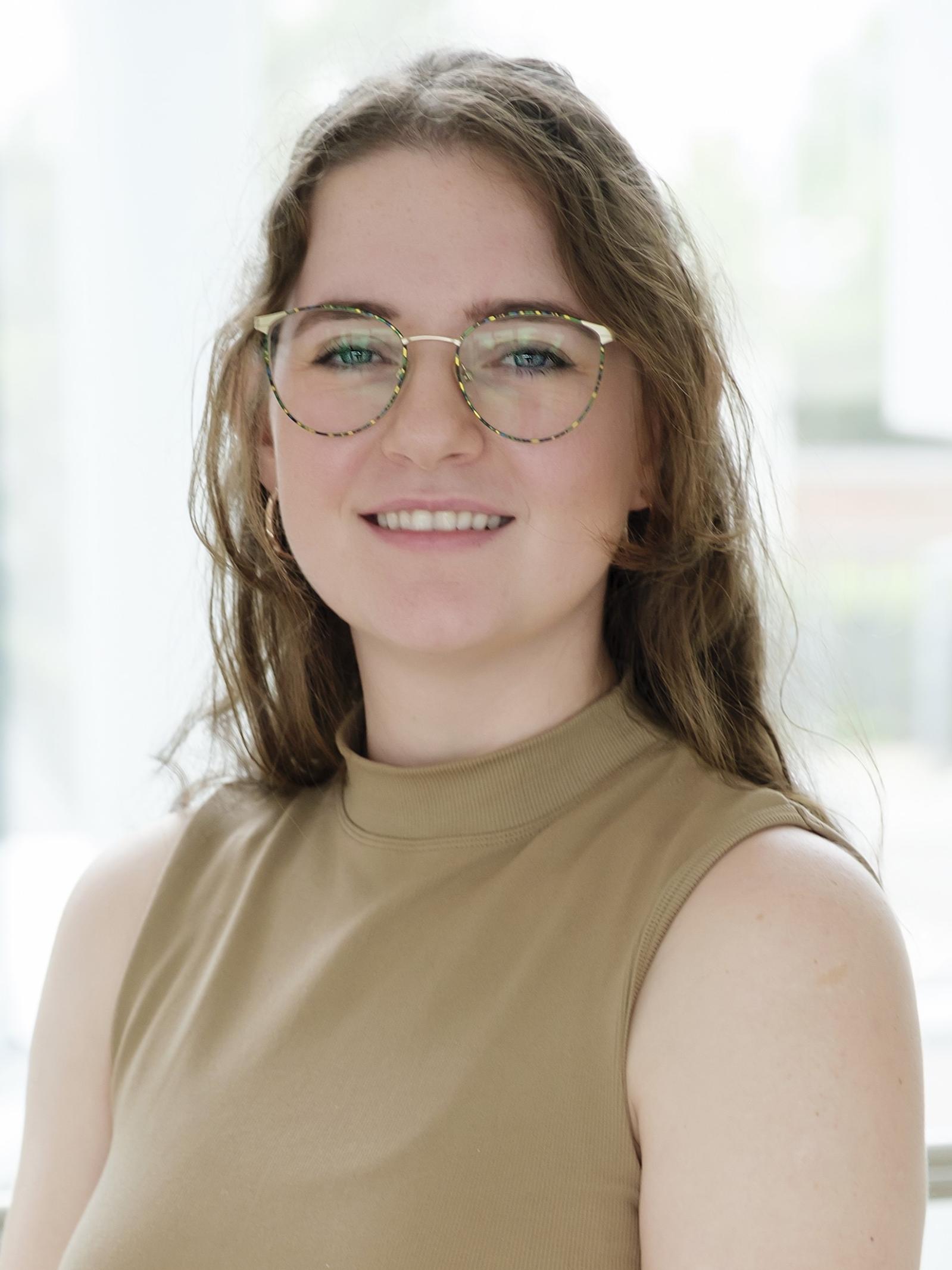 Rare diseases affect a significant percentage of the global population, are often complex and place significant burden on individuals, their families, communities, health systems and society overall, an impact reflected in the increasing recognition of rare diseases as a health priority across contexts. A high burden of illness, long diagnostic odyssey, lack of treatment options, lack of reliable epidemiological data, poor screening strategies, marginalisation and lack of consideration in health systems and health and social care policies are some of the challenges individuals with rare diseases and their families and carers can face. Psychosocial and economic impacts of living with a rare disease can also affect patients, family members and caregivers by negatively impacting their quality of life and their financial situation.
This doctoral project will explore the socio-economic impacts of rare diseases for children and their families using an all-Ireland perspective. It will aim to improve outcomes amongst the rare disease community and expand traditional research on rare disease, which focuses on diagnosis and treatment and uses the biomedical model. The project also will use a participatory approach with families of children with rare diseases, an uncommon technique in rare disease research. By using this approach, the voices of those living with, caring, and advocating for children and their families living with a rare disease will be incorporated directly into the research process, including design, implementation, analysis and interpretation of results.
Niamh is supervised by Dr Suja Somanadhan (University College Dublin), Dr Orla Doyle (University College Dublin) and Dr Naonori Kodate (University College Dublin). Extended advisory board includes Professor Amy Jayne McKnight (Queen's University Belfast) and PPIE representatives.