

Reimagining St Malachy's: Community and Heritage-led Regeneration
This QCAPtures explores a stakeholder engagement session on the future of St Malachy's Convent School in Belfast's Market area, connecting community wealth building expertise to live regeneration discussions.
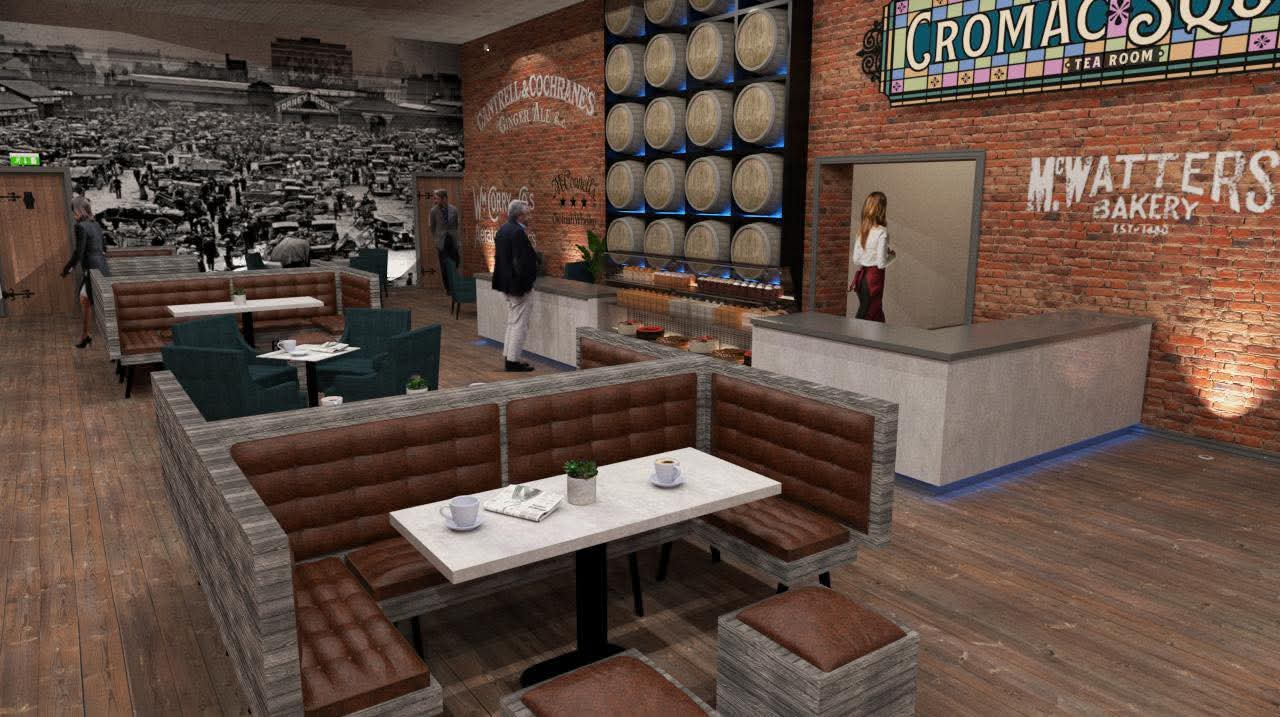
The former convent school on Sussex Place sits at the heart of the Market area, in the shadow of the city centre, and its future has become a focal point for conversations about heritage-led regeneration, community infrastructure, and the kind of place-based investment that can make a lasting difference. The engagement session, organised by the Market Development Association (MDA), brought together community representatives, heritage specialists, architects, planners and researchers to explore credible and community-sensitive pathways for the building's reuse. Representing QCAP were Dr Neal Halforty, Dr Andrew Grounds, and Niki McKnight. Their attendance reflects both QCAP's ongoing Social Economy and Community Wealth Building programme of work and the broader engagement of the Centre for Collaboration in Community Connectedness (C4) with the Market community, which has been identified as a catapult site within QCAP's wider place-based activities.
From Heritage to Possibility and a Need to Connect with the Community
The session opened with an introduction from Fionntán Hargey (MDA) and Jamie Curran (Heritage Consultant), who set out the purpose of the engagement and framed the opportunity presented by the school building's scale, condition, and architectural character. Participants were then guided through a series of presentations examining the site in detail, covering its current physical state, its heritage significance, and the range of possible futures that might be pursued.
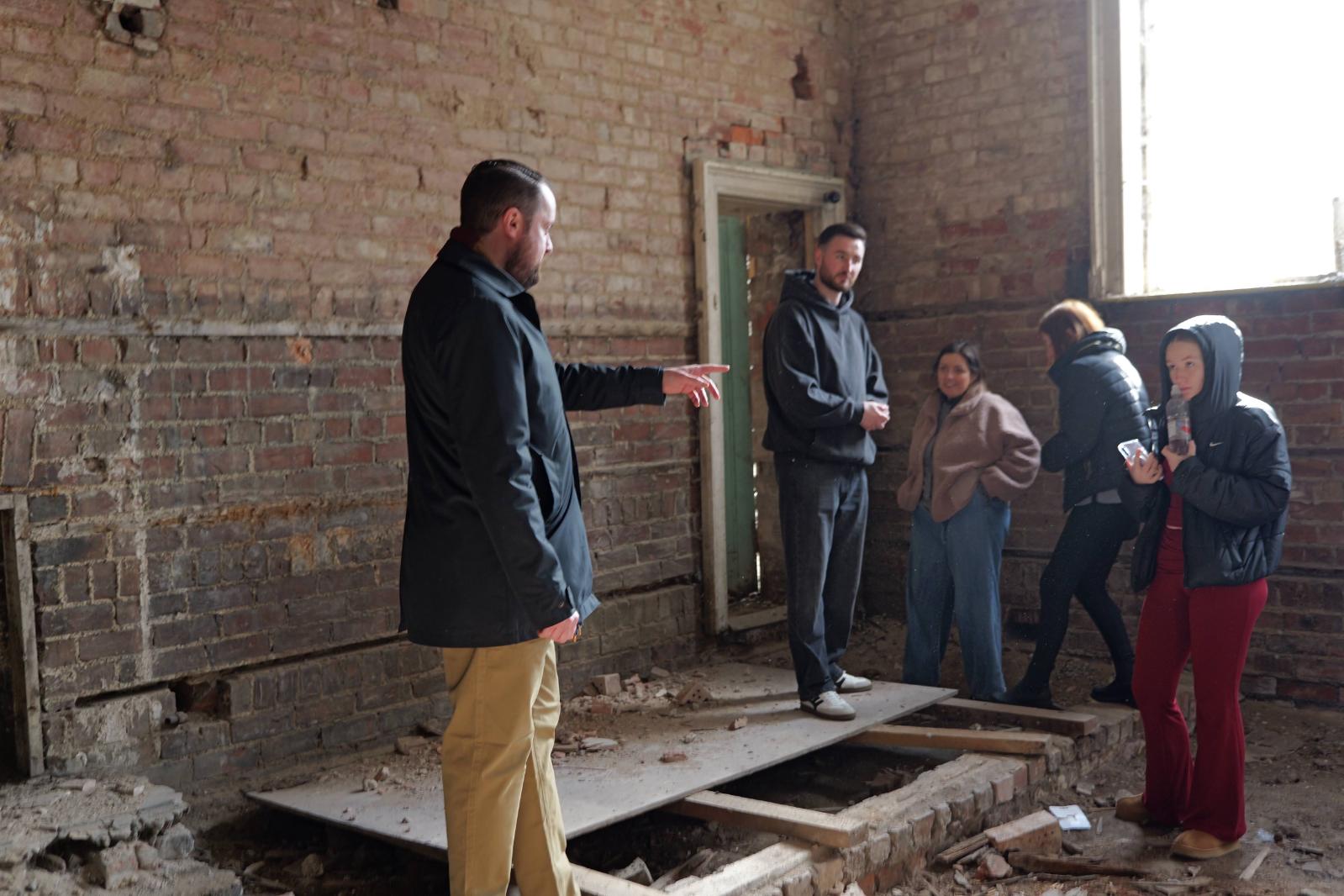
Following an architectural overview delivered by Richard Spence, the group undertook a guided site visit of the convent school itself, allowing stakeholders to move through the building directly and develop a grounded sense of its spatial potential and current condition. Subsequent sessions explored emerging heritage-led design concepts alongside critical questions of financial feasibility and planning consideration. Professor Brendan Murtagh (Queen's University Belfast) presented an analysis of potential social return on investment, connecting the site's regeneration prospects to the broader evidence base on community wealth building and social infrastructure.
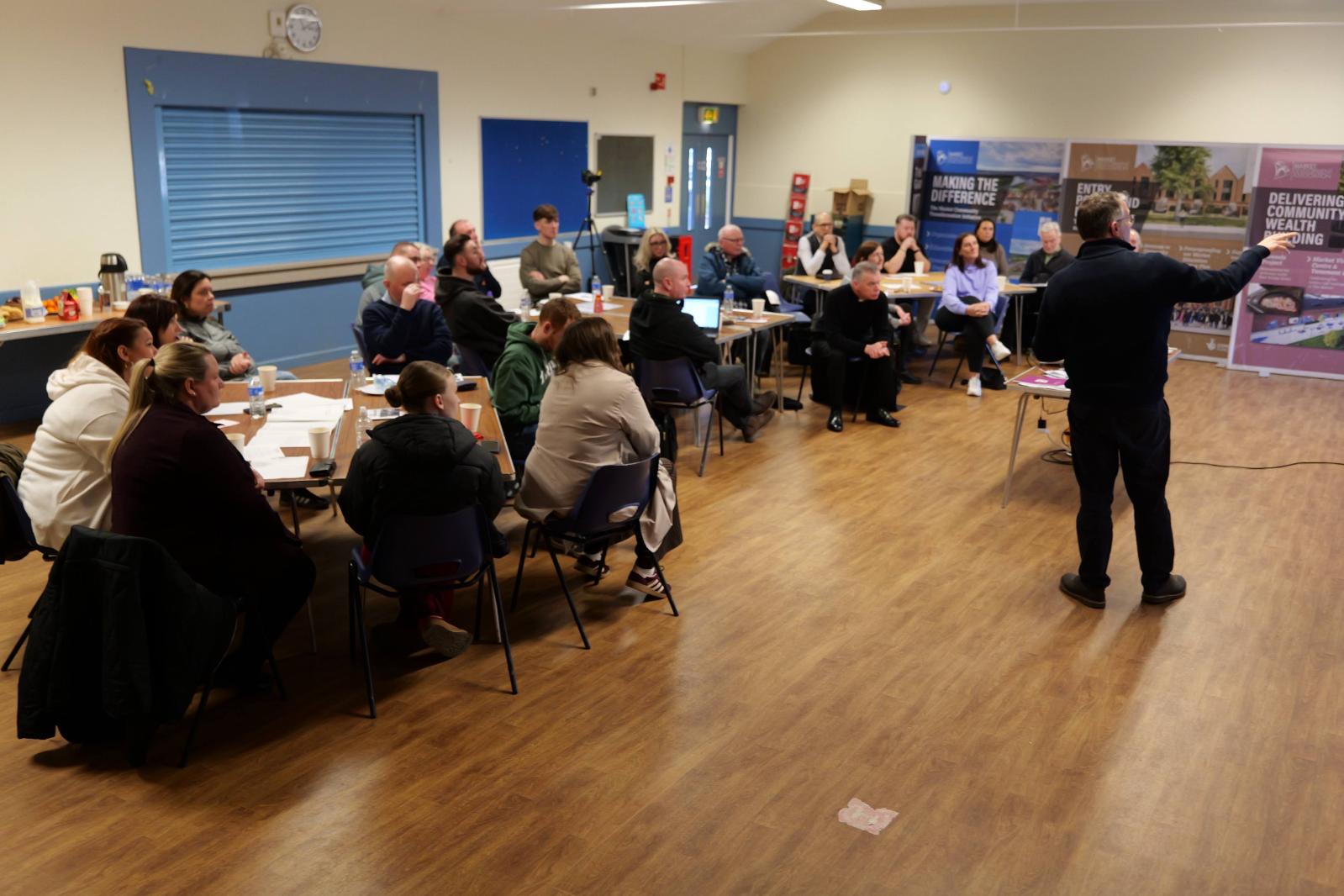
Throughout the day, interactive breakout discussions allowed participants to reflect collectively on what meaningful reuse of the building might look like and how the site could be developed in ways that honour its architectural and historical significance while genuinely responding to the priorities of people living and working in the Market area.
Research Meeting Practice
For QCAP, the session represented precisely the kind of engaged, applied research encounter that the partnership model is designed to enable. The event brought research on social infrastructure, community wealth building and place-based regeneration into direct contact with live development conversations, ensuring that academic knowledge is available to communities and their partners at the point where it can make a practical difference.
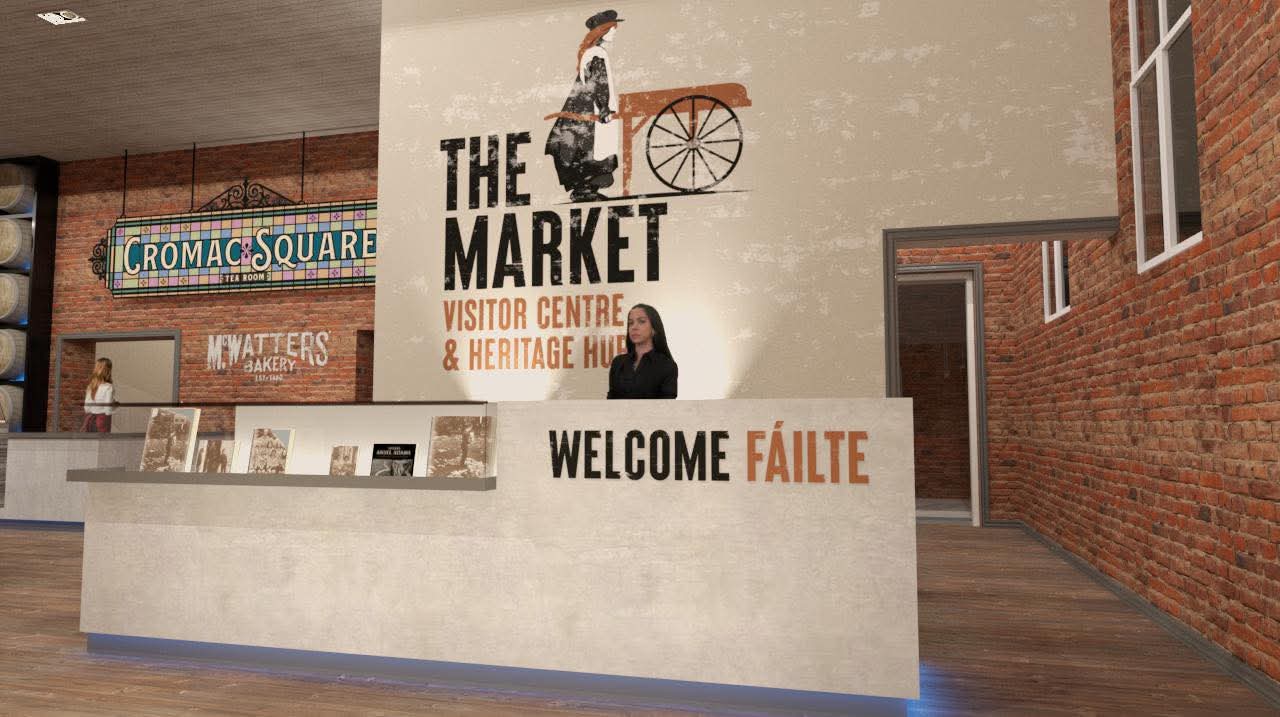
The engagement session forms part of an ongoing process to develop viable options for the building's future. QCAP researchers will continue to support this work as it progresses, contributing to an evidence base that can help the Market community and its partners make the case for investment that is both ambitious and grounded in local need.